
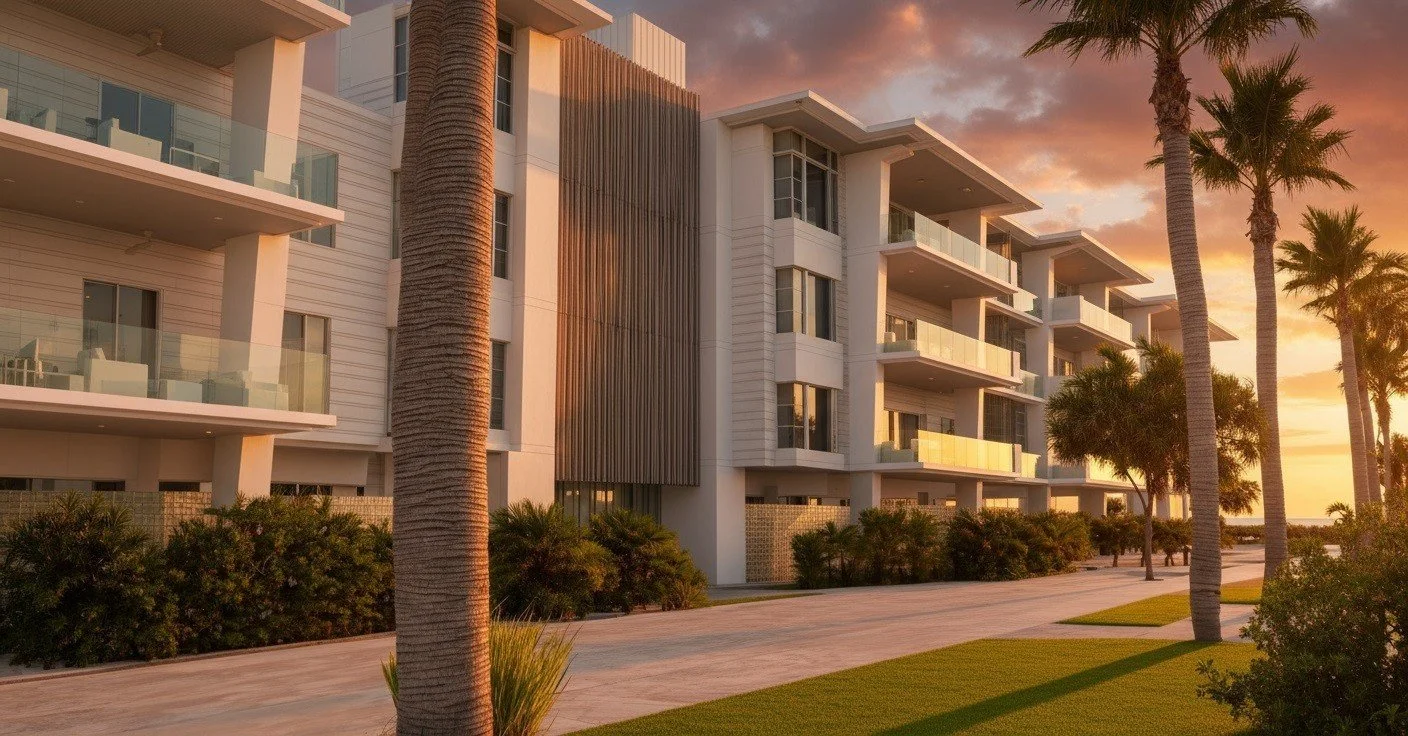
Walking into a beautiful hotel or resort creates an immediate emotional response. The lighting sets a mood, the layout guides you effortlessly, and the materials feel substantial. This reaction is not accidental. It results from deliberate planning and creative vision. Hospitality architecture is the discipline responsible for these spaces. It combines structural design with guest psychology to create venues where people relax, dine, and sleep.
At Poss, we understand that a building must do more than provide shelter. It must tell a story, and our architecture design practice is built around that belief. This guide explores the definition of hospitality architecture and the specific work involved. We examine the architect's responsibilities and the trends shaping the industry today. You will learn how design choices impact business success and guest satisfaction.
Quick Answer: What Is Hospitality Architecture?
Hospitality architecture is a specialized branch of design focused on buildings intended for leisure, lodging, and entertainment. This field encompasses hotels, resorts, restaurants, spas, and convention centers. The primary goal is to facilitate service and guest comfort.
Architects in this sector prioritize the user experience above almost everything else. Every hallway, lobby, and guest room is planned to create a specific atmosphere while ensuring operational efficiency for the staff.
The scope extends beyond the exterior shell. It includes the seamless integration of interior design, landscape architecture, and structural engineering. A successful project balances the fantasy of a getaway with the rigorous demands of a 24-hour commercial operation.
How It Differs from Other Architectural Fields
Hospitality projects differ significantly from residential or standard commercial work. Residential architecture focuses on the long-term habits of a specific family. Commercial office design prioritizes worker productivity and density. In contrast, hospitality design serves a transient population. Guests arrive, stay for a short period, and leave. The space must explain itself immediately. Navigation must be intuitive because users are often first-time visitors. Durability is another major differentiator-materials in a hotel lobby face traffic from thousands of people and luggage wheels. Private homes never endure that level of wear.
While hospitality design remains distinct, the architectural world has seen a notable shift in how resorts and hotels are conceived. A primary goal today is to create memorable experiences by shaping spaces that feel more intimate and residential-areas that almost exude a living-room atmosphere through softer lighting, warmer material palettes, layered textures, and comfortable lounge-style furnishings. Another major evolution is the heightened emphasis on wellness. This is often achieved through calming color tones, biophilic design strategies, ample natural light, spa-like bathrooms, meditation or quiet zones, outdoor-indoor connectivity, and amenities that promote restoration, such as cold plunges, hydrotherapy features, and movement studios. These elements support not just relaxation, but holistic well-being throughout the guest’s stay.
Furthermore, the back-of-house areas in hospitality are extensive. Kitchens, laundry rooms, and staff corridors require as much planning as the luxury suites. These hidden systems support the magic visible to the guest.
The Role of a Hospitality Architect
A hospitality architect acts as the conductor of a massive orchestra. They align the hotelier/owner's vision with the realities of construction. The role requires artistic flair and technical precision.
Responsibilities in the Design Process
The daily work of a hospitality architect involves managing hundreds of moving parts. The process begins with site analysis. We study the land to understand views, sun angles, and topography. This information dictates where the main entrance belongs and how the building sits on the property.
Technical documentation takes up a large portion of the timeline. Architects draft detailed plans for every floor and ceiling. They specify fire safety systems, which are strictly regulated in sleeping accommodations. Acoustic privacy is another critical responsibility.
Guests expect silence in their rooms, so wall assemblies are designed to block noise from neighbors and hallways. The architect also coordinates with mechanical engineers to ensure climate control systems are powerful yet quiet. If you are at the stage of selecting a design partner, the principles of how to hire an architect help you evaluate experience with complex hospitality projects.
Collaborating with Clients and Stakeholders
Communication is the glue that holds a hospitality project together. At Poss, we start by listening to your brand vision and operational goals. A hotel operator knows their target demographic best. The design team translates that market data into physical space.
Collaboration extends to specialized consultants. A resort project might involve lighting designers, kitchen planners, and landscape architects. These coordination meetings are led so that everyone moves in the same direction. Budget management is also part of this dialogue.
Value engineering discussions help prioritize spending on high-impact areas, such as the lobby, while saving costs in less visible areas. The architect advocates for the design intent while respecting the developer's financial constraints.
Key Elements of Hospitality Architecture
Great hospitality venues feel effortless. However, achieving that ease requires rigorous attention to specific design elements. The building must function like a machine while looking like a piece of art.
Balancing Aesthetics and Functionality
Beauty draws guests in, but functionality keeps them coming back. A stunning marble floor is useless if it becomes slippery when wet. Architects select materials that withstand heavy abuse while maintaining a luxurious appearance. This selection process involves testing fabrics for stain resistance and choosing stone that resists chipping.
Lighting plays a dual role here. It sets the dramatic tone in the evening but must also provide enough illumination for reading menus or finding room numbers. Maintenance access is another functional concern. Light bulbs need changing, and filters need cleaning. The design must allow staff to perform these tasks without disrupting the guest experience. Form and function work together to support the operation.
Spatial Planning and Guest Experience
The flow of movement defines the guest experience. Spatial planning determines how a person moves from the valet stand to the front desk and then to the elevator. This journey should feel logical and welcoming. Bottlenecks in the lobby or confusing corridors frustrate visitors.
Zoning is critical in this phase. Loud areas, such as bars and ballrooms, are separated from quiet zones, such as guest rooms and spas. Transitions between these spaces are handled carefully.
Ceiling heights might drop to create intimacy in a lounge or soar to create grandeur in an entryway. At Poss, we use 3D modeling to test these sequences before construction begins. We ensure that the physical layout supports the emotional journey you want your guests to take.
Regulatory Compliance and Accessibility
Safety is non-negotiable in public buildings. Hospitality architecture must adhere to strict building codes. These rules govern occupancy limits, fire exits, and sprinkler coverage. A hotel must be able to evacuate hundreds of people safely in an emergency.
Accessibility is equally essential. The Americans with Disabilities Act (ADA) sets standards for ramps, door widths, and bathroom layouts. Good design goes beyond the minimum legal requirements. Inclusive design ensures that all guests, regardless of mobility, enjoy the property equally. Features like zero-entry pools and lever-style door handles help everyone. Compliance is integrated into the aesthetic early on so that safety features do not look like afterthoughts.
Emerging Trends in Hospitality Design
The travel industry changes rapidly. Guest expectations shift based on cultural movements and new technologies. Architecture adapts to meet these new demands.
Sustainability and Eco-Conscious Materials
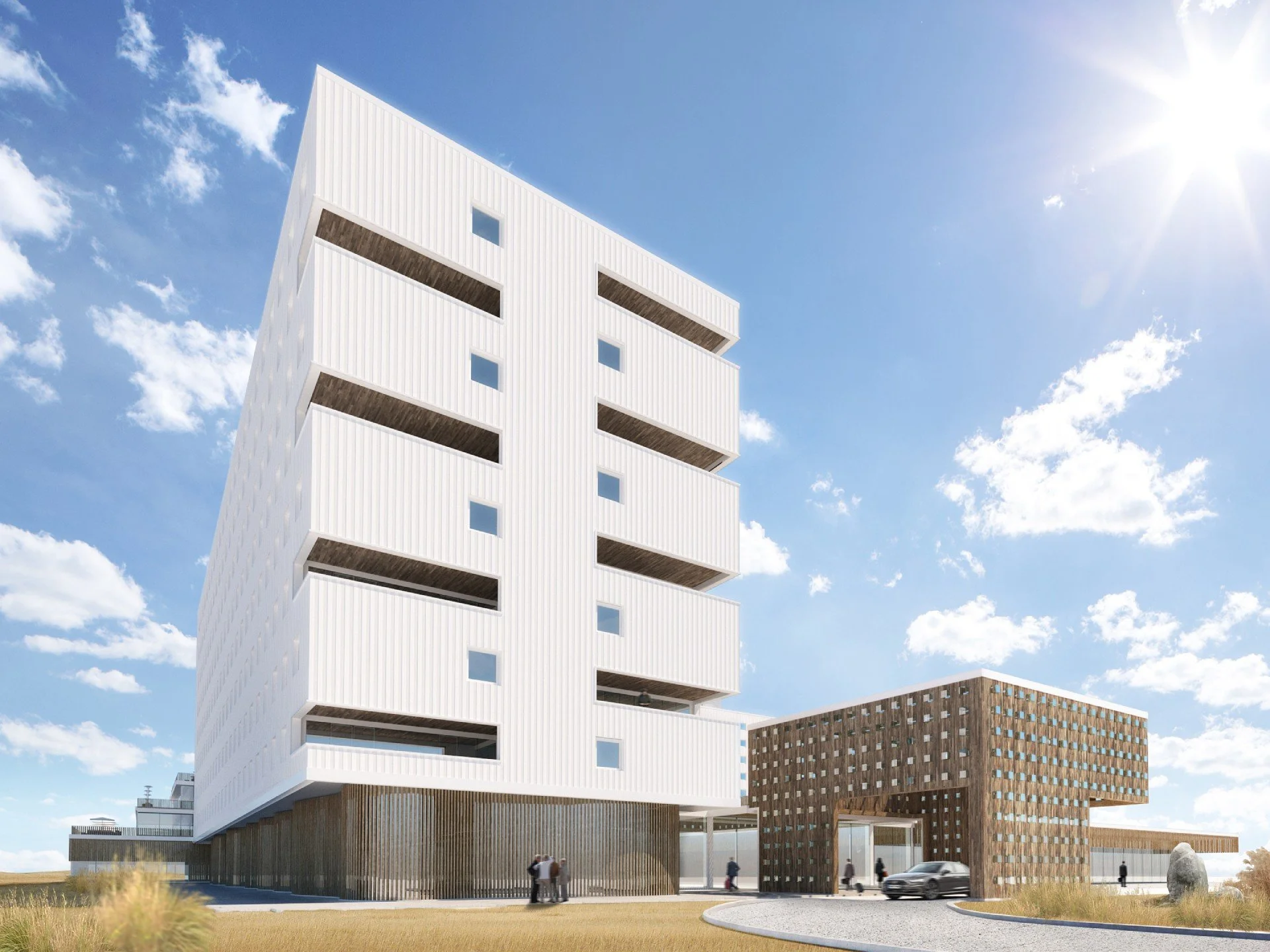
Modern travelers care about their environmental footprint. Green building practices have moved from niche to standard. Hotels are reducing energy consumption through high-performance glass and passive cooling strategies. Solar panels and water reclamation systems are becoming standard features in resort design.
Material selection focuses on lifecycle impact. Architects choose locally sourced wood or recycled stone to reduce shipping emissions. Low-VOC paints and carpets improve indoor air quality. At Poss, we often incorporate these elements to help owners achieve certifications like LEED. A sustainable building lowers operational costs over time and appeals to eco-conscious guests.
Wellness and Biophilic Design
Health and well-being are top priorities for luxury travelers. Wellness architecture focuses on how buildings affect the body and mind. This trend goes beyond adding a gym. It involves circadian lighting systems that mimic natural daylight to help reset sleep cycles.
Biophilic design connects the indoors with the outdoors. Large windows frame views of nature. Living walls or indoor gardens bring greenery into the lobby. Natural materials like raw wood and stone reduce stress levels. Air purification systems are becoming hospital-grade to ensure safety. The goal is for the guest to leave feeling physically better than when they arrived. Recent research on biophilic design in hotels and guest well-being shows that thoughtfully designed natural elements can increase guest satisfaction, perceived value, and the likelihood of return visits.
Local Culture and Contextual Integration
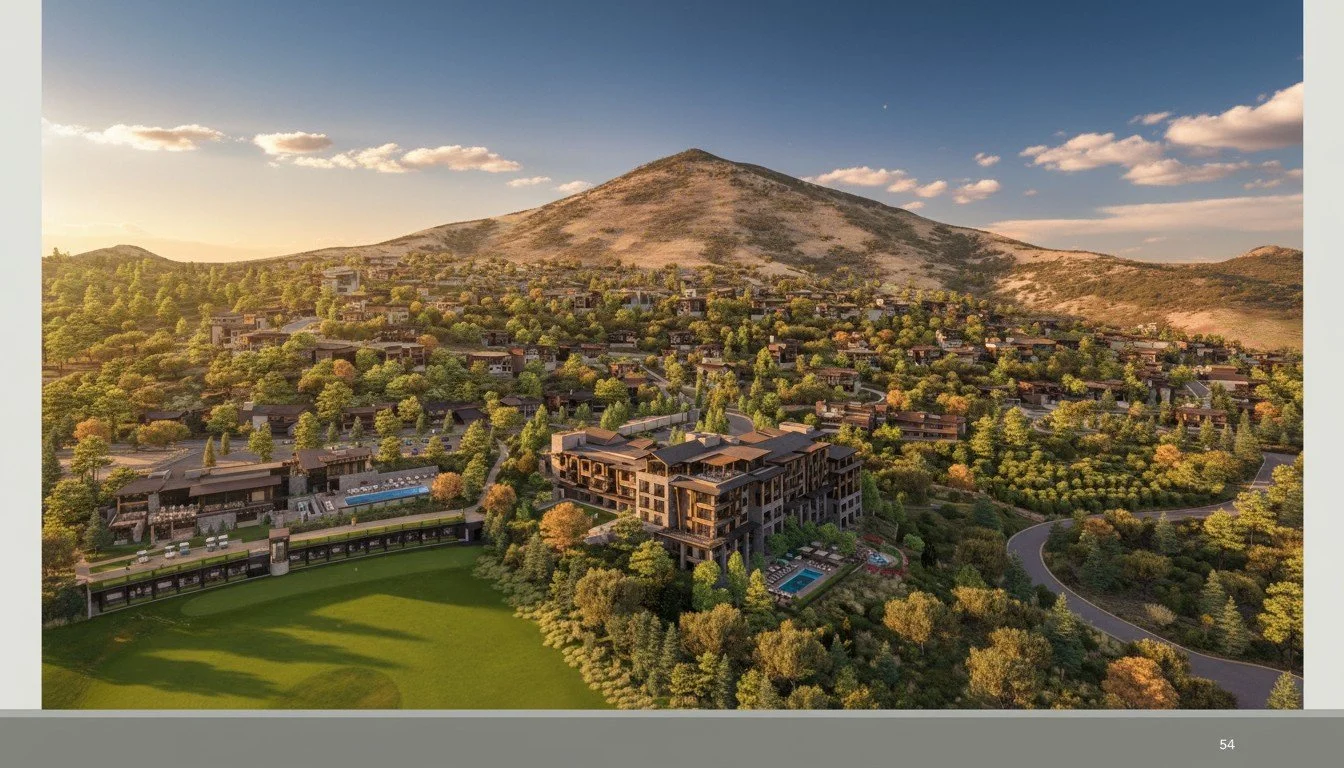
The era of the "cookie-cutter" hotel is fading. Travelers want authentic experiences that reflect the destination. Contextual design creates a sense of place. A resort in the Rockies should not look like a hotel in Miami.
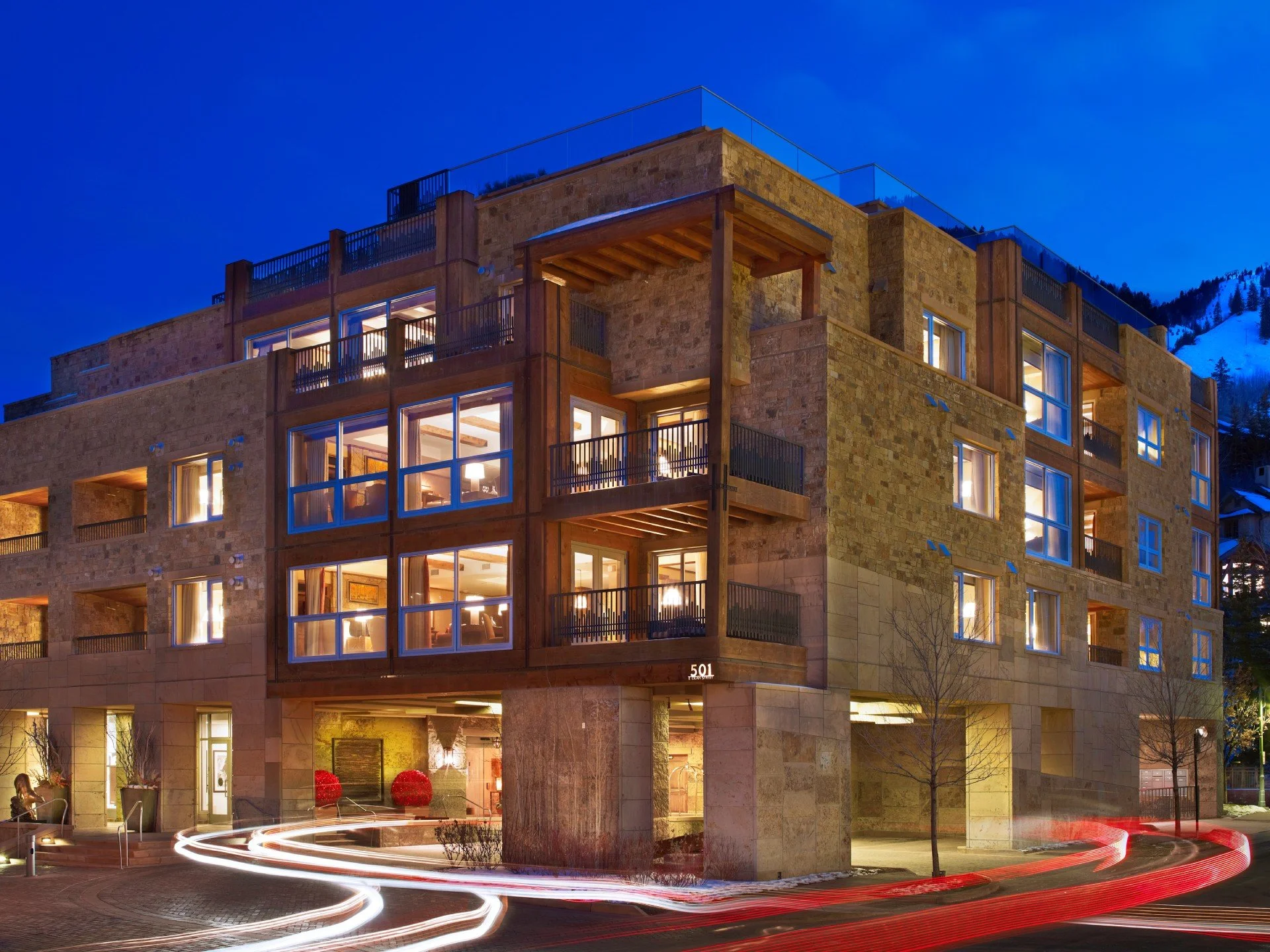
Architects research regional history and vernacular building styles. They incorporate local craftsmanship into the structure. This might mean using native limestone for the facade or adopting a roof pitch that handles local snow loads. Art programs feature regional artists. This approach grounds the building in its specific location. It gives guests a connection to the culture outside the walls, as projects like Hotel Aspen demonstrate in their response to the surrounding mountain town and streetscape.
Why Hospitality Architecture Matters
Design is a powerful business tool. The physical environment is the primary product a hotel sells. It influences rates, occupancy, and reviews.
First Impressions and Brand Identity
The building is the physical embodiment of the brand. A sleek, glass tower communicates modern efficiency. A timber-framed lodge communicates rustic warmth. This visual language speaks to the guest before they even speak to the receptionist.
First impressions happen in seconds. The approach to the building, the weight of the front door, and the lobby's volume set expectations immediately. Consistency is key. The architecture must align with the marketing message. If the website promises luxury but the finishes feel cheap, the brand promise is broken. Strong design reinforces the brand story at every touchpoint.
Impact on Guest Satisfaction and Business Success
A well-designed hotel operates more profitably. Efficient layouts reduce staffing requirements. Durable materials lower maintenance costs. Energy-efficient systems shrink utility bills. These bottom-line benefits are direct results of architectural decisions.
Guest satisfaction scores correlate heavily with the physical environment. Soundproofing prevents noise complaints. Blackout curtains allow for better sleep. Intuitive layouts reduce frustration. When guests feel comfortable and cared for, they leave positive reviews and return. At Poss, good design yields a tangible return on investment. It transforms a property into a destination, as demonstrated by The Residences at The Little Nell.
Final Thoughts
Hospitality architecture is a complex blend of art, engineering, and psychology. It requires a deep understanding of how people travel, relax, and interact. From the grandest resort to the boutique inn, the building shapes the experience. It protects the guest's safety and the owner's profitability.
At Poss, every project is seen as an opportunity to create a lasting memory. We guide you through the regulations, the trends, and the technical challenges. The result is a space that welcomes the world. If you are planning a hospitality project, practical design is your strongest asset.
FAQs
What Is the Meaning of Hospitality Architecture?
Hospitality architecture is the design and construction of buildings meant for lodging, dining, and recreation. It focuses on guest comfort and service efficiency.
What Does a Hospitality Architect Do?
A hospitality architect plans the layout, selects materials, ensures safety compliance, and coordinates systems to create functional and attractive guest spaces.
What Are the Key Elements of Hospitality Architecture?
The main elements are guest flow, operational efficiency, safety compliance, aesthetic impact, and durability of materials against high traffic.
What Types of Projects Fall Under Hospitality Architecture?
This category includes hotels, resorts, motels, hostels, restaurants, bars, spas, convention centers, and country clubs.
What Trends Are Shaping Hospitality Architecture Today?
Current trends include sustainable building practices, wellness-focused features, biophilic design, and the integration of local cultural aesthetics.
Why Is Branding Important in Hospitality Design?
Branding defines the property's personality. Architecture reinforces this identity, helping the venue attract its specific target audience and build loyalty.
